The Ancient Fruit of India
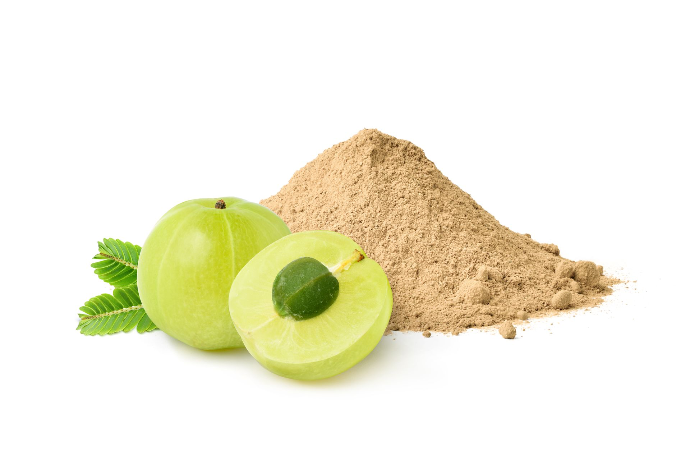
Amalaki (Phyllanthus emblica), also known as Amla or Indian gooseberry, is a traditional fruit that has been cultivated and valued for thousands of years across India and surrounding regions. It grows in warm and sometimes challenging climates and has long been integrated into everyday dietary practices and traditional lifestyle concepts.
Rooted in ancestral knowledge and still appreciated today, Amalaki has never been regarded as a short-term or stimulating ingredient. Instead, it has traditionally been valued for consistency, balance, and regular inclusion in daily routines.
In modern nutrition, Amalaki is appreciated as a plant-based ingredient that aligns well with long-term, conscious nutrition concepts. Its history reflects a deep connection to balance, adaptability, and sustainable nourishment.
More than a fruit, Amalaki represents a bridge between ancient tradition and modern lifestyle—natural, grounding, and aligned with mindful living.
What Is Amalaki?
Amalaki is the fruit of the tree Phyllanthus emblica, belonging botanically to the Euphorbiaceae family. It has been cultivated for generations and traditionally consumed as part of daily diets, commonly fresh, dried, or processed into powder to improve shelf life and versatility.
Unlike ingredients intended for short-term or immediate effects, Amalaki has historically been consumed as a regular food component. Its value lies in consistent use within balanced dietary habits.
Amalaki naturally contains plant acids, fiber, and various plant compounds that contribute to its nutritional profile. Its growing use in modern food supplements reflects renewed interest in traditionally consumed plants with a long history of human use.
Natural Composition of Amalaki
Amalaki is a whole fruit, and its composition reflects a typical plant-based food profile with carbohydrates as the dominant macronutrient, very low fat, and a wide range of naturally occurring micronutrients and plant compounds.
Macronutrient Profile (Approximate, Dried Fruit Basis)
Carbohydrates: ~60–70%
Includes natural sugars and complex carbohydrates
Dietary fiber: ~25–35%
Mostly insoluble fiber, with some soluble fractions
Protein: ~2–5%
Contains naturally occurring amino acids
Lipids (fats): <1%
Very low fat content
Amalaki is not a fat- or protein-rich plant; it is primarily a fiber- and carbohydrate-based fruit.
Vitamins Naturally Present
Amalaki is particularly known for its natural vitamin content, especially:
Vitamin C (ascorbic acid)
Naturally occurring and relatively stable within the fruit matrix
B vitamins (small amounts):
B1 (thiamine)
B2 (riboflavin)
B3 (niacin)
Minerals (Trace Amounts)
Amalaki naturally contains small quantities of minerals, including:
Calcium
Iron
Potassium
Magnesium
Phosphorus
These occur at food-level concentrations, not pharmacological doses.
Polyphenols & Plant Compounds
A defining characteristic of Amalaki is its diverse polyphenol profile, which includes:
Tannins (e.g. emblicanin-type compounds)
Phenolic acids
Flavonoids
These compounds contribute to:
The fruit’s sour and astringent taste
Its natural stability
Its role as a traditional food plant
These are naturally occurring secondary plant compounds, common in fruits with a long traditional use.
Organic Acids
Amalaki contains several natural organic acids, such as:
Ascorbic acid
Citric acid
Gallic acid (as part of tannin structures)
These acids influence flavor, preservation properties, and overall fruit profile.
Amino Acids (Naturally Occurring, Minor Amounts)
Small amounts of amino acids have been identified, including:
Alanine
Glutamic acid
Aspartic acid
Proline
These are not present in high or isolated concentrations, but as part of the whole food matrix.
Amalaki in Traditional Use
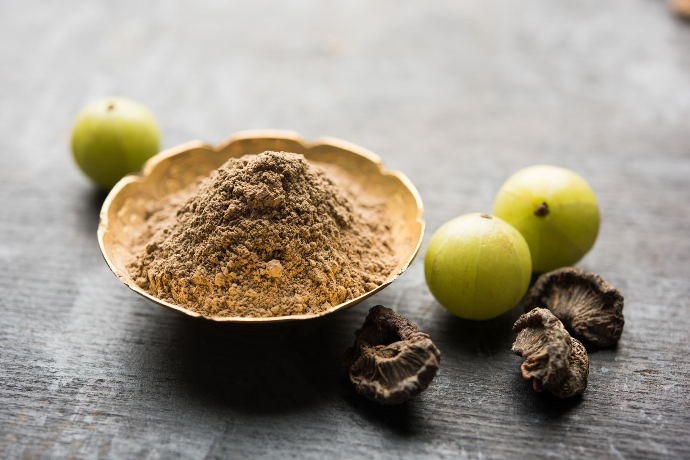
Amalaki has played a central role in traditional dietary practices across the Indian subcontinent for centuries. It has been used in multiple forms, including fresh fruit, dried pieces, powdered preparations, and blended formulations with other plant ingredients.
In traditional contexts, Amalaki was valued as part of a balanced daily diet adapted to climate, season, and physically active lifestyles. Its use was closely connected to cultural routines and long-standing dietary customs.
Rather than being viewed as an isolated or targeted ingredient, Amalaki was considered a foundational food—supporting consistency and balance through regular consumption.
Key Traditional Associations of Maca
Daily Nourishment
Traditionally consumed as part of everyday diets.

Balance-Oriented Diets
Included in dietary routines focused on long-term balance and consistency.

Adaptation to Climate
Historically used in warm and variable climatic conditions.

Active Daily Life
Integrated into nutrition practices of physically active communities.

General Well-Being
Traditionally consumed by both women and men.
Fresh Amalaki vs. Dried Amalaki – Traditional Differences
Traditionally, Amalaki has been consumed both fresh and in dried or powdered form. Both originate from the same fruit; differences relate primarily to processing, taste, and practical use.
Fresh Amalaki
Fresh Amalaki is characterized by its intense sour taste and juicy texture. It was traditionally consumed seasonally, often shortly after harvest.
Traditionally associated with:
- Strong, fresh acidic flavor
- Seasonal consumption
- Direct use in meals
- Dried or Powdered Amalaki
Dried or powdered Amalaki was traditionally preferred for its longer shelf life and ease of use. Processing allowed the fruit to be stored and consumed regularly throughout the year.
Traditionally associated with:
- Milder, more balanced taste
- Extended storage stability
- Practical integration into daily routines
Important Note on Variety Differences
Regardless of form, Amalaki is traditionally regarded as a food plant. Differences between fresh and dried forms relate to sensory characteristics and methods of use, not to guaranteed or specific outcomes.
In modern food supplements, Amalaki is most commonly used in dried or powdered form to ensure consistent quality and convenient application.
Amalaki in Modern Nutrition
Amalaki is valued today for its natural origin, traditional food status, and versatility. Rather than focusing on immediate effects, it is commonly included in routines that emphasize balance, regularity, and long-term well-being.
Its characteristic taste and compatibility with various dietary formats make Amalaki suitable for use in capsules, powders, beverages, and functional foods. This aligns well with modern nutrition approaches that favor plant-based, tradition-inspired ingredients.
Amalaki’s continued popularity reflects a growing appreciation for traditional fruits that integrate seamlessly into modern, mindful lifestyles.
Who Is Amalaki For?
Amalaki is traditionally used by people who:
- Prefer plant-based, food-derived ingredients
- Value long-term dietary consistency
- Lead active or structured lifestyles
- Appreciate traditional plants with cultural heritage
- Integrate supplements into a balanced lifestyle approach
Scientific Research Overview (Educational Information)
Amalaki has been the subject of scientific research examining its composition, agricultural characteristics, and traditional dietary use. Publications include analytical studies and nutritional discussions within the broader context of traditionally consumed food plants.
This information is provided for educational purposes only and reflects general scientific interest in traditional plant foods.
Disclaimer
This product is a food supplement. It is not intended to diagnose, treat, cure, or prevent any disease. Individual results may vary.