The Ancient Root for Modern Balance

Ginger (Zingiber officinale) is one of the most widely used plant roots in traditional cultures around the world and has been valued for centuries as part of holistic lifestyle and nutrition practices. Today, ginger is appreciated globally as a versatile botanical ingredient that complements a balanced and conscious way of living.
Rooted in traditional knowledge and widely used in culinary and wellness traditions, ginger is known for its warming and invigorating character. Rather than acting aggressively, it has traditionally been incorporated into daily routines to support comfort, balance, and vitality.
In modern lifestyles shaped by busy schedules, irregular eating habits, and constant activity, ginger has remained a popular choice as part of mindful nutrition practices. Its long history of use reflects its role as a supportive ingredient for everyday well-being.
Traditionally valued across many cultures, ginger is associated with vitality, warmth, and inner balance. It has been used both in active phases of life and in moments focused on rest and mindful nourishment.
More than a spice, ginger represents a timeless connection between tradition and modern lifestyle—simple, grounding, and deeply rooted in daily wellness routines.
What Is Ginger?
Ginger is a traditionally used plant root that has been part of culinary and wellness traditions for thousands of years. It is commonly included in daily nutrition practices and valued for its characteristic aroma, warmth, and versatility.
Unlike artificial stimulants, ginger is traditionally used as part of balanced routines that emphasize natural ingredients and mindful consumption. Its role in nutrition is closely linked to comfort and enjoyment rather than short-term effects.
Ginger naturally contains plant compounds such as gingerols and shogaols, which are widely discussed in scientific literature as characteristic components of the root. These compounds contribute to ginger’s long-standing popularity in traditional food and wellness cultures.
Due to its gentle and versatile nature, ginger is often included in long-term lifestyle habits rather than used for immediate or targeted purposes.
Ginger in Traditional Use
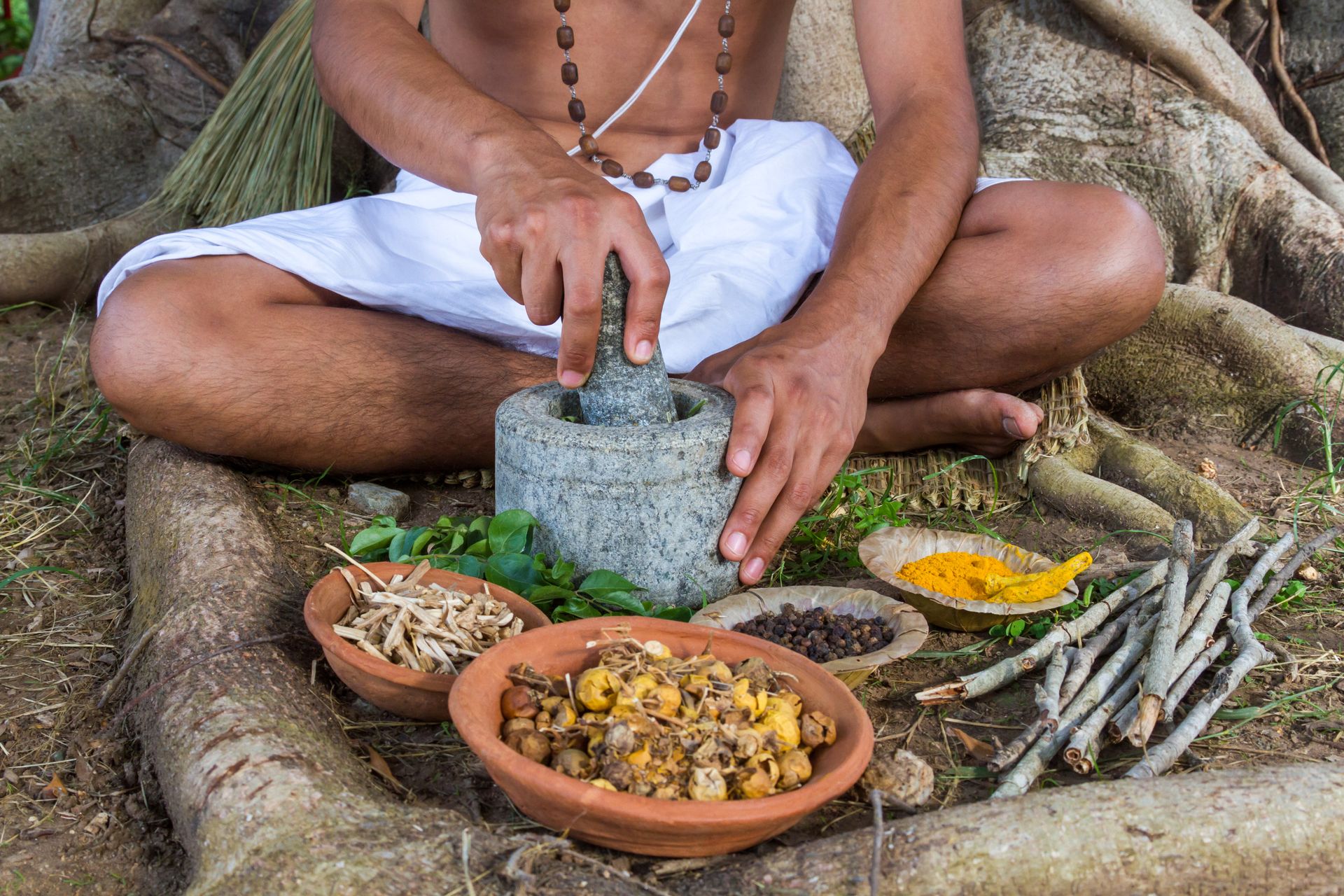
Ginger has been traditionally used in a wide range of cultures, including Asian, Middle Eastern, and European traditions, where it has been incorporated into food, beverages, and daily routines for centuries.
In traditional practices, ginger was valued for its warming qualities and its role in promoting a sense of comfort and balance. It was often included in meals and drinks as part of seasonal and lifestyle-based traditions.
Across different cultures, ginger use was adapted to individual preferences, climate, and dietary habits, making it one of the most universally embraced plant roots in traditional nutrition.
Within these traditions, ginger was not viewed as a quick solution, but as a consistent and supportive element of everyday nourishment.
Key Traditional Uses of Ginger

Daily Balance & Comfort
Traditionally included in nutrition routines that emphasize comfort and inner balance.

Digestive Harmony
Commonly used in culinary traditions to complement meals and support a pleasant digestive experience.*

Natural Vitality
Associated with a warming and invigorating character that fits well into active lifestyles.
Mindful Nutrition
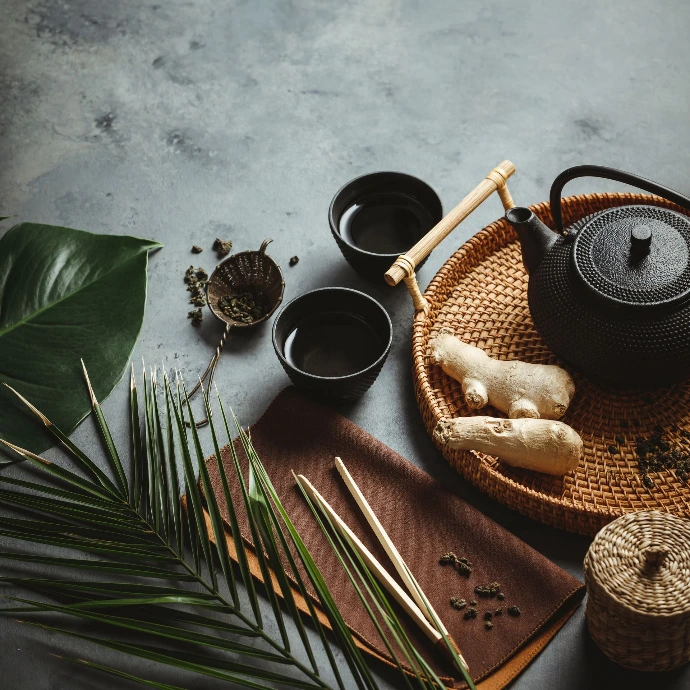
Often included in teas, drinks, and meals as part of conscious eating habits.

Overall Well-Being
Traditionally valued as a plant-based ingredient suitable for everyday use by both women and men.
Why Ginger Is Valued in Holistic Nutrition
Ginger is valued in holistic nutrition for its long history of traditional use and its versatility in daily life. Rather than pushing the body in a specific direction, ginger has traditionally been used to complement balance-oriented routines.
Its role in nutrition is linked to consistency and moderation. Ginger is commonly enjoyed over time as part of meals or beverages, aligning well with lifestyle approaches that prioritize long-term well-being.
Because of its grounding and warming nature, ginger continues to be a popular ingredient in modern nutrition, bridging traditional wisdom with contemporary lifestyle habits.
Who Is Ginger For?
Ginger is traditionally used by people who:
- Prefer natural, plant-based ingredients
- Value mindful and balanced nutrition
- Enjoy traditional roots with global heritage
- Integrate wellness ingredients into daily routines
- Seek simplicity and consistency in lifestyle choices
Scientific Research Overview (Educational Information)
Ginger has been widely studied as a plant root commonly used in food and nutrition. Scientific research explores its composition, traditional use, and role within dietary practices. These studies are published in international scientific journals and are referenced for educational purposes only.
This information reflects general scientific interest in traditionally used plants and does not imply specific outcomes.
Disclaimer
This product is a food supplement. It is not intended to diagnose, treat, cure, or prevent any disease. Individual results may vary.