The Ancient Root of the Andes
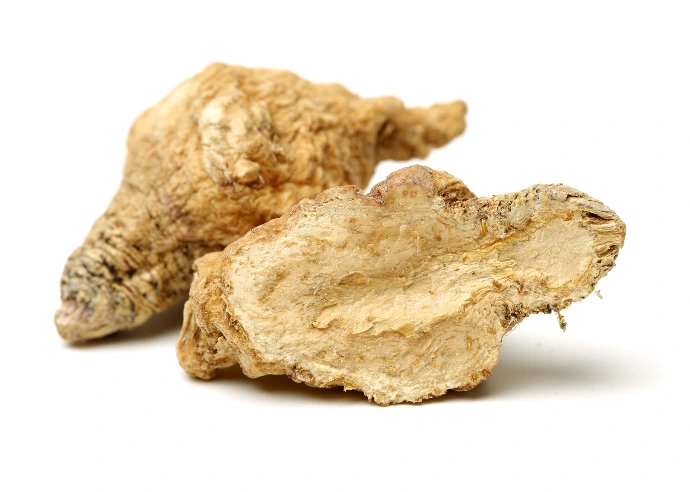
Maca (Lepidium meyenii) is a traditional root plant native to the high Andes of Peru, where it has been cultivated and consumed for thousands of years as part of everyday nutrition. Growing at extreme altitudes under harsh climatic conditions, Maca has long been valued as a staple food supporting balance and nourishment in demanding environments.
Rooted in ancestral knowledge and increasingly appreciated in modern nutrition, Maca is known for its earthy character and versatility. Rather than acting as a stimulant, it has traditionally been included in regular dietary routines that emphasize consistency, resilience, and harmony with nature.
In today’s modern lifestyle, Maca is valued as a plant-based ingredient that fits into long-term, wellness-oriented nutrition concepts. Its history reflects a deep connection to endurance, adaptability, and sustainable nourishment.
More than a root, Maca represents a bridge between ancient tradition and modern lifestyle—grounding, natural, and aligned with conscious living.
What Is Maca?
Maca is a traditionally used root vegetable belonging to the cruciferous plant family. It has been cultivated in the Peruvian Andes for generations and consumed as part of daily diets, often dried and ground into powder to extend its shelf life and versatility.
Unlike ingredients intended for short-term or immediate effects, Maca has historically been consumed as part of regular meals. Its value lies in consistent use rather than intensity, making it suitable for long-term dietary routines.
Maca naturally contains carbohydrates, fiber, amino acids, and plant compounds that contribute to its nutritional profile. Its growing popularity in modern supplements reflects renewed interest in traditionally used food plants with a long history of human consumption.
Maca in Traditional Use

Maca has been traditionally consumed by Andean communities as a staple food, especially in regions where farming conditions were challenging and food diversity was limited. It was prepared in various forms, including cooked roots, dried powder, and fermented products.
In traditional contexts, Maca was valued for its role in daily nourishment and as part of diets adapted to physically demanding lifestyles. Its use was closely connected to local climate, altitude, and cultural habits.
Rather than being viewed as a targeted or isolated ingredient, Maca was considered a foundational food—supporting consistency and balance through regular consumption.
Key Traditional Associations of Maca
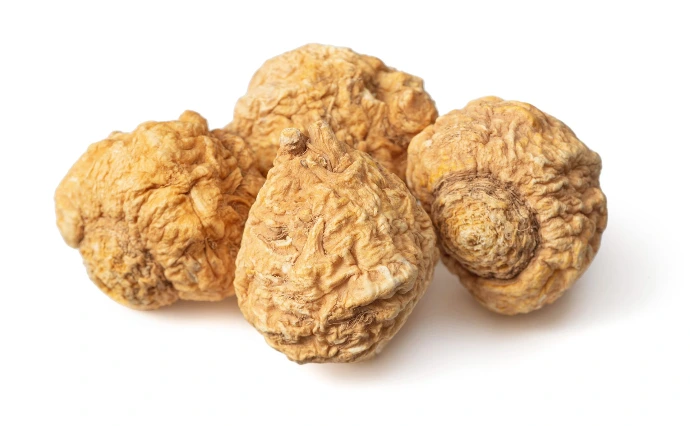
Daily Nourishment
Traditionally used as a food-based ingredient supporting consistent nutrition.

Adaptation to Demanding Conditions
Historically consumed in high-altitude regions with harsh climates.

Active Lifestyles
Often included in diets of physically active communities.

Balance & Vitality
Associated with maintaining inner balance through long-term dietary habits.

General Well-Being
Traditionally valued as a root suitable for regular consumption by both women and men.
Red Maca vs. Black Maca – Traditional Differences
Maca naturally occurs in several varieties, most commonly yellow, red, and black. All varieties belong to the same plant species (Lepidium meyenii) and have been traditionally consumed as food. The differences between them relate primarily to color, taste profile, cultivation frequency, and traditional preference.
Red Maca
Red Maca is one of the most widely cultivated varieties and is traditionally appreciated for its milder, smoother, and slightly sweeter taste profile. Because of its balanced character, Red Maca has commonly been consumed as part of everyday diets.
In traditional use, Red Maca was often chosen for regular, long-term consumption, especially by individuals who preferred a gentle, neutral-tasting root that integrates easily into meals and drinks.
Traditionally associated with:
- Mild and approachable flavor
- Broad culinary use
- Everyday dietary routines
- Balanced and gentle character
Black Maca
Black Maca is less common and traditionally cultivated in smaller quantities. It is recognized by its darker color and more robust, earthy taste, reflecting its natural pigment composition.
In traditional Andean regions, Black Maca was often regarded as a more selective variety, sometimes reserved for specific preparations or seasonal use. Its stronger taste made it more distinctive in traditional food applications.
Traditionally associated with:
- Darker color and denser root structure
- Stronger, more intense flavor
- Selective cultivation
- Distinctive traditional preparations
Important Note on Variety Differences
From a nutritional and regulatory perspective, Red Maca and Black Maca are both traditional food varieties of the same plant. Any differences between them relate to sensory characteristics and traditional preferences, not to guaranteed or specific outcomes.
In modern food supplements, both varieties are used as part of balanced, lifestyle-oriented nutrition, allowing consumers to choose based on taste and personal preference.
Important Note on Variety Differences
Maca is valued in modern nutrition for its natural origin, traditional food status, and versatility. Rather than focusing on immediate effects, it is commonly included in routines that emphasize balance, consistency, and long-term well-being.
Its earthy flavor and compatibility with a wide range of diets make Maca suitable for integration into smoothies, drinks, and everyday nutrition plans. This aligns well with contemporary approaches that favor whole-food-inspired ingredients.
Maca’s continued popularity reflects a growing appreciation for traditional roots that seamlessly fit into modern, mindful lifestyles.
Who Is Maca For?
Maca is traditionally used by people who:
- Prefer plant-based, food-derived ingredients
- Value long-term nutritional consistency
- Lead active or demanding lifestyles
- Appreciate traditional roots with cultural heritage
- Integrate supplements into a balanced lifestyle approach
Scientific Research Overview (Educational Information)
Maca has been the subject of scientific research exploring its composition, agricultural characteristics, and traditional dietary use. Publications include laboratory analyses and human studies discussing Maca within the context of nutrition and lifestyle research.
This information is provided for educational purposes only and reflects general scientific interest in traditionally used food plants.
Disclaimer
This product is a food supplement. It is not intended to diagnose, treat, cure, or prevent any disease. Individual results may vary.