The Powerful Antioxidant from Nature

Astaxanthin is a naturally occurring carotenoid derived from microalgae and is valued worldwide as part of modern, wellness-oriented nutrition. Known for its deep red color, Astaxanthin has been used in nature for protection and resilience and is today appreciated as a premium ingredient in conscious lifestyle routines.
Rooted in natural biological systems and widely discussed in nutritional science, Astaxanthin is often associated with balance and protection in daily life. Rather than acting aggressively, it is commonly included in long-term routines that focus on maintaining overall well-being and inner stability.
In a modern lifestyle influenced by environmental factors, physical activity, and daily demands, Astaxanthin is valued for its role as part of balanced nutrition. Its origin from microalgae reflects a natural approach aligned with sustainability and purity.
More than a nutrient, Astaxanthin represents a connection between nature and modern living—supporting a mindful, consistent approach to long-term well-being.
What Is Astaxanthin?
Astaxanthin is a naturally occurring pigment belonging to the carotenoid family and is primarily sourced from microalgae such as Haematococcus pluvialis. It is responsible for the red coloration found in certain marine organisms and has become a sought-after ingredient in premium nutritional supplements.
Astaxanthin is commonly included in wellness routines that emphasize balance and protection at a cellular level, without overstimulation. Unlike synthetic compounds, naturally sourced Astaxanthin is valued for its compatibility with long-term, lifestyle-oriented use.
Scientific literature discusses Astaxanthin in relation to its unique molecular structure, which has attracted attention in the field of nutrition and ingredient research. Its popularity reflects growing interest in nature-derived compounds used as part of holistic nutrition.
Astaxanthin in Nature
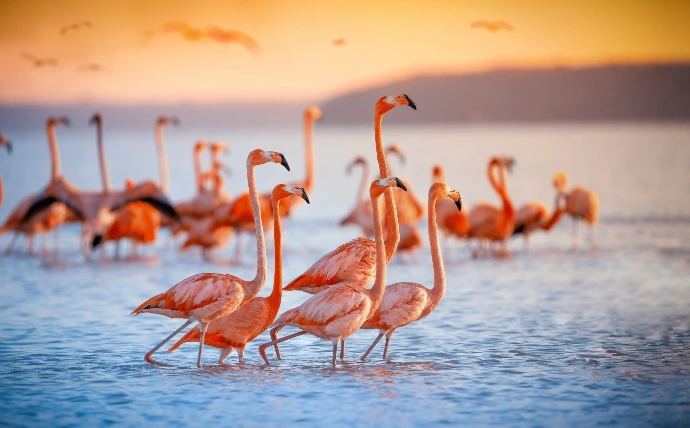
Astaxanthin occurs naturally in microalgae and plays an important role in protecting these organisms from environmental exposure such as sunlight and changing conditions. Through the food chain, Astaxanthin is also found in marine life, where it has long been part of human diets in coastal cultures.
Traditionally, Astaxanthin has not been isolated as a single ingredient but consumed naturally through algae-based and marine foods. Modern nutrition has refined this approach by sourcing Astaxanthin directly from microalgae in a controlled and purified form.
Its natural role in resilience and protection has made Astaxanthin a symbol of strength and endurance in nature-inspired wellness philosophies.
Key Traditional Associations of Astaxanthin
Cellular Protection
Traditionally associated with protection against environmental influences as part of balanced nutrition.

Active Lifestyles
Commonly included in routines of individuals with physically active and dynamic lifestyles.

Skin & Beauty Nutrition
Frequently valued in beauty-focused nutrition routines that emphasize nourishment from within.*

Daily Balance
Associated with maintaining inner balance in demanding modern environments.

Long-Term Well-Being
Traditionally included as part of consistent, long-term wellness practices for both women and men.
Why Astaxanthin Is Valued in Modern Nutrition
Astaxanthin is valued in modern nutrition for its natural origin and its role in holistic lifestyle concepts. Rather than targeting short-term effects, it is commonly used as part of routines focused on consistency, balance, and protection.
Its lipid-soluble nature makes Astaxanthin particularly suitable for daily use alongside healthy fats, aligning with contemporary nutritional approaches. This reinforces its positioning as a premium ingredient for conscious consumers.
Astaxanthin’s growing popularity reflects a broader shift toward nature-derived, science-observed ingredients that support a balanced and resilient lifestyle.
Who Is Astaxanthin For?
Astaxanthin is traditionally used by people who:
- Value antioxidant-rich, plant-based ingredients
- Lead active or demanding lifestyles
- Focus on long-term wellness and consistency
- Integrate beauty and nutrition concepts
- Prefer high-quality ingredients with natural origins
Scientific Research Overview (Educational Information)
Astaxanthin has been the subject of numerous scientific publications exploring its structure, natural occurrence, and role within nutrition. Research includes laboratory studies and human trials published in international scientific journals.
This information is provided for educational purposes only and reflects general scientific interest in naturally occurring carotenoids used in food supplements.
Disclaimer
This product is a food supplement. It is not intended to diagnose, treat, cure, or prevent any disease. Individual results may vary.